Introduction
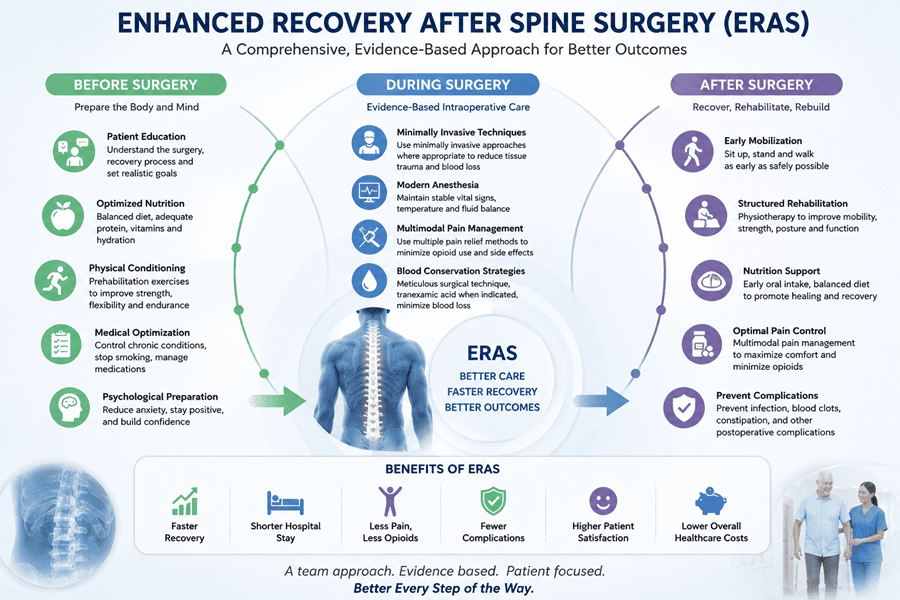
Enhanced Recovery after Spine Surgery (ERAS) is a modern, evidence-based approach designed to improve patient outcomes before, during, and after spine surgery. It combines patient education, optimized nutrition, multimodal pain management, minimally invasive techniques where appropriate, early mobilization, and structured rehabilitation to promote faster recovery while reducing complications.
What Is ERAS?
ERAS is a multidisciplinary clinical pathway that standardizes perioperative care using current scientific evidence. Its goals include reducing surgical stress, minimizing complications, shortening hospital stay, lowering opioid use, and helping patients return to normal activities sooner.
Why ERAS Matters
Traditional care often involved prolonged fasting, delayed mobilization, and heavy opioid use. ERAS replaces these practices with coordinated, evidence-based care that improves recovery, decreases complications, and enhances patient satisfaction.
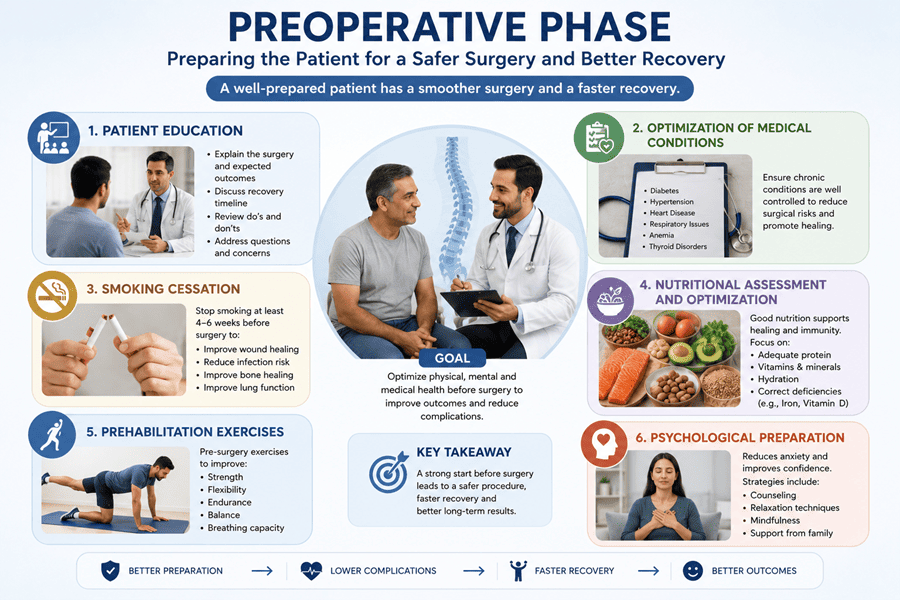
Preoperative Phase
Key elements include patient education, optimization of medical conditions such as diabetes and hypertension, smoking cessation, nutritional assessment, rehabilitation exercises, and psychological preparation.
Intraoperative Phase
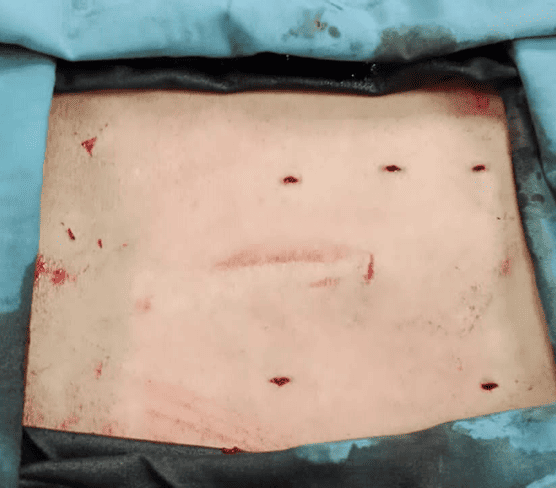
Modern anesthesia, meticulous blood conservation, minimally invasive surgery when suitable, and multimodal pain management reduce tissue injury and improve postoperative recovery.
Postoperative Phase
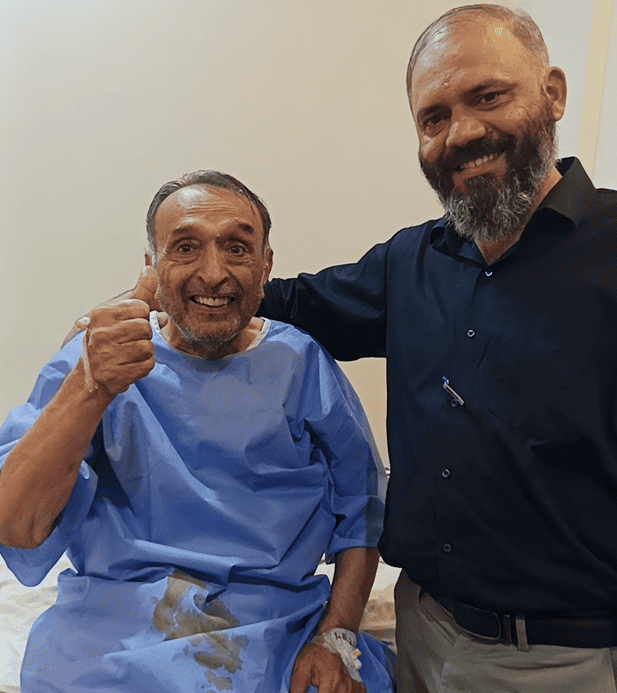
Early mobilization, physiotherapy, timely nutrition, effective pain control, and prevention of complications such as deep vein thrombosis and infection are central components.
Role of Physiotherapy
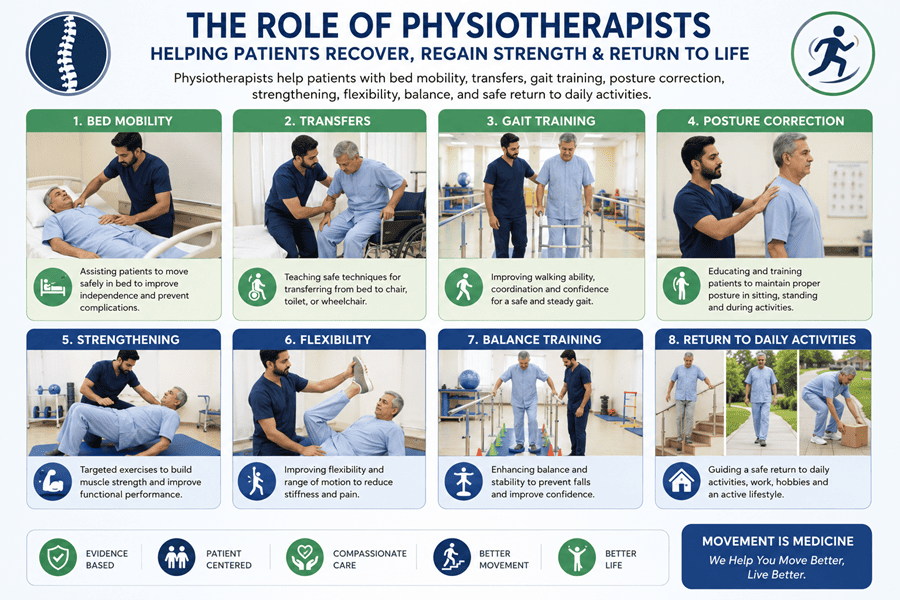
Physiotherapists help patients with bed mobility, transfers, gait training, posture correction, strengthening, flexibility, balance, and safe return to daily activities.
Outcome Measures
Recovery is monitored using pain scores, walking ability, opioid requirements, complication rates, length of stay, readmission rates, and patient satisfaction.
Challenges
Successful ERAS implementation requires multidisciplinary teamwork, standardized protocols, staff education, patient engagement, and continuous quality improvement.
Future Directions
Artificial intelligence, wearable devices, tele-rehabilitation, remote monitoring, and personalized recovery plans are expected to further improve ERAS pathways.
Conclusion
ERAS has transformed perioperative spine care by integrating evidence-based strategies across the entire surgical journey. Collaboration among surgeons, anesthesiologists, nurses, physiotherapists, nutritionists, and patients leads to safer surgery, faster recovery, and better long-term outcomes.