
Kyphoplasty and Multilevel Kyphoplasty
Kyphoplasty and Multilevel Kyphoplasty: Indications, Contraindications, Myths, Facts, and Detailed Overview
Introduction
Vertebral compression fractures are among the most common spinal problems, especially in elderly individuals with osteoporosis. These fractures may also occur due to trauma, tumors, or metastatic disease. Patients often experience severe back pain, spinal deformity, reduced mobility, and difficulty performing daily activities.
Kyphoplasty and multilevel kyphoplasty are minimally invasive spinal procedures developed to stabilize fractured vertebrae, reduce pain, and improve function. These procedures have become increasingly important because they offer faster recovery and less tissue damage compared to open spinal surgery.
Kyphoplasty is performed on a single vertebral level, whereas multilevel kyphoplasty involves treatment of two or more vertebrae during the same surgical session.
What is Kyphoplasty?
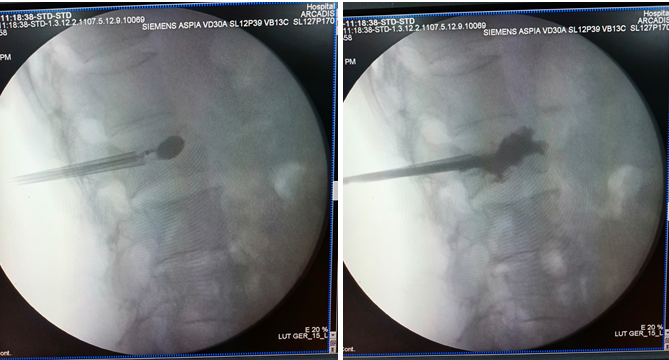
Kyphoplasty is a minimally invasive image-guided procedure used to treat painful vertebral compression fractures.
During the procedure:
1. A needle is inserted into the fractured vertebra.
2. A balloon is inflated inside the vertebral body.
3. The balloon creates a cavity and may partially restore vertebral height.
4. Bone cement is injected into the cavity.
5. The cement hardens and stabilizes the fracture.
What is Multilevel Kyphoplasty?
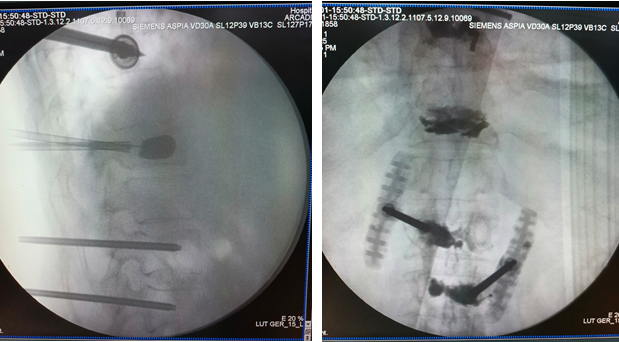
Multilevel kyphoplasty refers to kyphoplasty performed at multiple spinal levels during one operative session.
This procedure is usually considered in patients who have:
• Multiple osteoporotic fractures
• Metastatic spinal disease
• Multiple myeloma
• Multiple traumatic vertebral fractures
Indications of Kyphoplasty
- Osteoporotic vertebral compression fractures
• Painful traumatic compression fractures
• Tumor-related vertebral fractures
• Progressive vertebral collapse
• Persistent pain despite conservative treatment
Indications of Multilevel Kyphoplasty
- Multiple osteoporotic compression fractures
• Metastatic disease involving multiple vertebrae
• Multiple myeloma
• Long-term steroid-induced osteoporosis
• Multiple traumatic vertebral fractures
Contraindications of Kyphoplasty
Absolute Contraindications:
• Active infection
• Severe bleeding disorders
• Allergy to bone cement
• Asymptomatic fractures
Relative Contraindications:
• Severe vertebral collapse
• Spinal canal compression
• Neurological deficits
• Chronic healed fractures
• Pregnancy
Contraindications of Multilevel Kyphoplasty
- Severe cardiopulmonary disease
• Poor tolerance to prolonged anesthesia
• Extensive spinal instability
• Severe systemic illness
Advantages of Kyphoplasty
- Rapid pain relief
• Minimally invasive procedure
• Early mobilization
• Vertebral stabilization
• Partial restoration of vertebral height
Advantages of Multilevel Kyphoplasty
- Simultaneous treatment of multiple fractures
• Reduced hospital admissions
• Improved overall spinal alignment
• Better functional recovery
Risks and Complications
- Cement leakage
• Infection
• Bleeding
• Neurological injury
• Pulmonary embolism
• Adjacent vertebral fractures
Myths and Facts About Kyphoplasty
Myth: Kyphoplasty completely cures osteoporosis.
Fact: The procedure stabilizes fractures but does not treat the underlying bone disease.
Myth: Kyphoplasty is major open surgery.
Fact: It is a minimally invasive procedure with small incisions.
Myth: Bed rest alone is always better.
Fact: Prolonged immobilization can worsen muscle weakness and bone loss.
Myths and Facts About Multilevel Kyphoplasty
Myth: Multiple levels cannot be treated safely.
Fact: Carefully selected patients can safely undergo multilevel procedures.
Myth: All vertebral fractures must be treated.
Fact: Only symptomatic and clinically significant levels usually require augmentation.
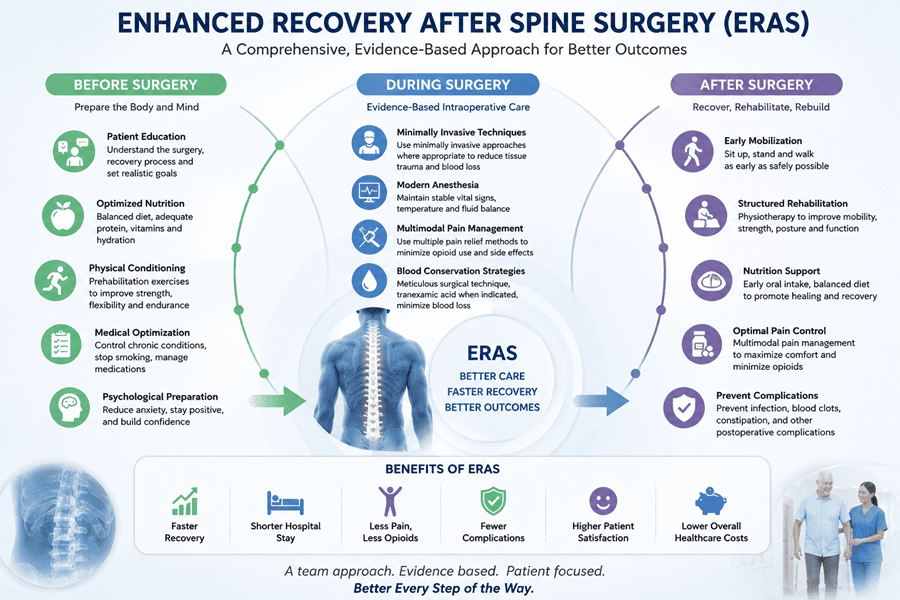
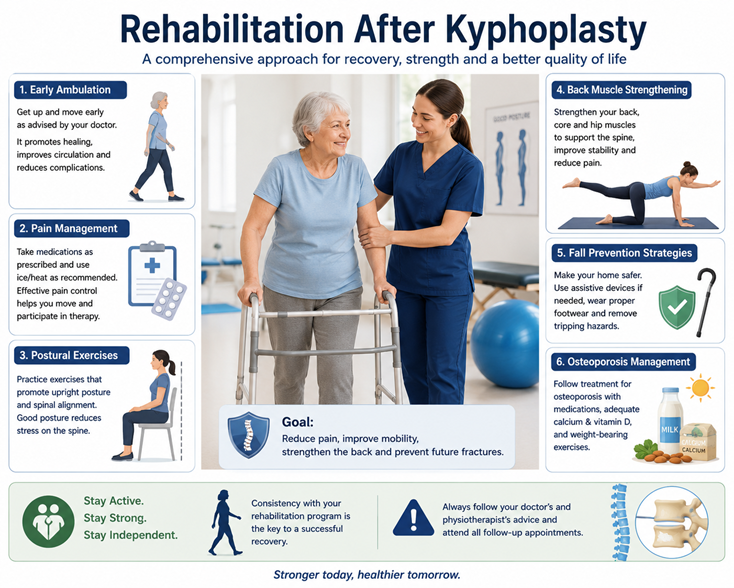
Rehabilitation After Kyphoplasty
- Early ambulation
• Pain management
• Postural exercises
• Back muscle strengthening
• Fall prevention strategies
• Osteoporosis management
Conclusion
Kyphoplasty and multilevel kyphoplasty are valuable minimally invasive procedures for treating painful vertebral compression fractures. They help stabilize fractured vertebrae, reduce pain, improve mobility, and enhance quality of life in properly selected patients.
Although both procedures are generally safe, careful patient evaluation and long-term osteoporosis management are essential for successful outcomes.