Early diagnosis plays a vital role in determining the success of spinal surgery. Many spine-related conditions—such as herniated discs, spinal stenosis, scoliosis, and degenerative disc disease—progress gradually. When these issues are detected at an early stage, patients not only experience faster recovery but also enjoy significantly better long-term outcomes. In contrast, delayed diagnosis often leads to complications that make surgical treatment more complex and less predictable.
-
Preventing Disease Progression
Early diagnosis helps identify spinal problems before they reach an advanced stage. Conditions like disc degeneration, nerve compression, or vertebral instability tend to worsen over time. When intervention happens early:
– The affected area is less damaged
– Surrounding nerves and muscles are less compromised
– Surgical correction becomes simpler and more effective
Delaying evaluation can lead to permanent nerve damage, increased pain, and reduced mobility—issues that may not fully improve even after surgery.
-
Better Surgical Planning
A timely diagnosis allows surgeons to plan surgeries with greater precision. When imaging such as MRI or CT scans is obtained early:
– The anatomy is clearer
– Inflammation is less severe
– Surgeons can choose minimally invasive techniques instead of extensive procedures
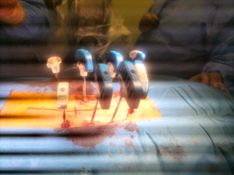
This enhances surgical accuracy and reduces the risk of complications during the operation.
-
Reduced Need for Complex or Extensive Surgery
Early detection often allows patients to undergo less invasive procedures. For example:
– A small disc herniation may be treated with microdiscectomy
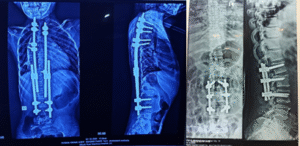
– Early scoliosis detection can prevent the need for long spinal fusion
– Mild stenosis may require minimal decompression instead of multi-level surgery
When conditions are caught late, surgeries often become longer, riskier, and require greater postoperative rehabilitation.
-
Improved Postoperative Recovery
Patients diagnosed and treated early usually recover faster. Reasons include:
– Shorter surgery time
– Less tissue damage
– Lower risk of nerve injury
– Reduced inflammation around the spine
Early-diagnosed patients often return to daily activities sooner and experience less postoperative pain.
-
Lower Risk of Neurological Deficits
One of the most significant benefits of early diagnosis is the protection of spinal nerves. Prolonged compression can lead to:
– Numbness
– Muscle weakness
– Loss of balance
– Bladder or bowel dysfunction
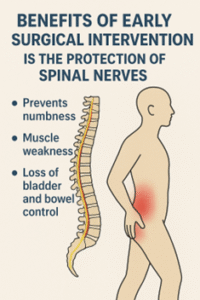
Timely diagnosis ensures that nerves are decompressed before permanent damage occurs, leading to better functional outcomes after surgery.
-
Enhanced Long-Term Outcomes
Early diagnosis improves long-term surgical success rates. Patients treated early often report:
– Higher satisfaction
– Lower recurrence of symptoms
– Greater quality of life
– Better spinal stability over time
Early management also reduces the chance of requiring repeat surgeries in the future.
Conclusion
Early diagnosis is one of the most important factors influencing spinal surgery outcomes. When spinal conditions are detected in their early stages, the surgery is simpler, recovery is quicker, and long-term results are significantly better. Patients should be encouraged to seek medical attention promptly when experiencing persistent back pain, numbness, or mobility issues.