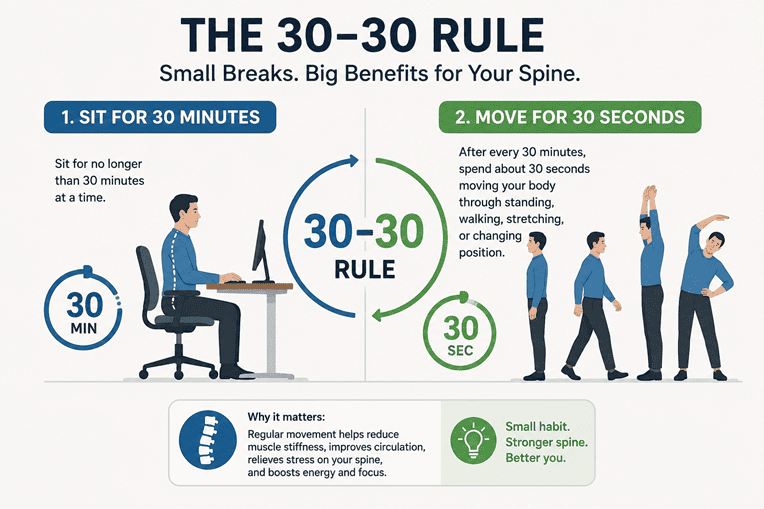
The 30–30 Rule for Healthy Sitting
Modern life has made sitting an unavoidable part of everyday routines. Whether working at a desk, studying, driving, or relaxing at home, many people spend several hours seated each day.
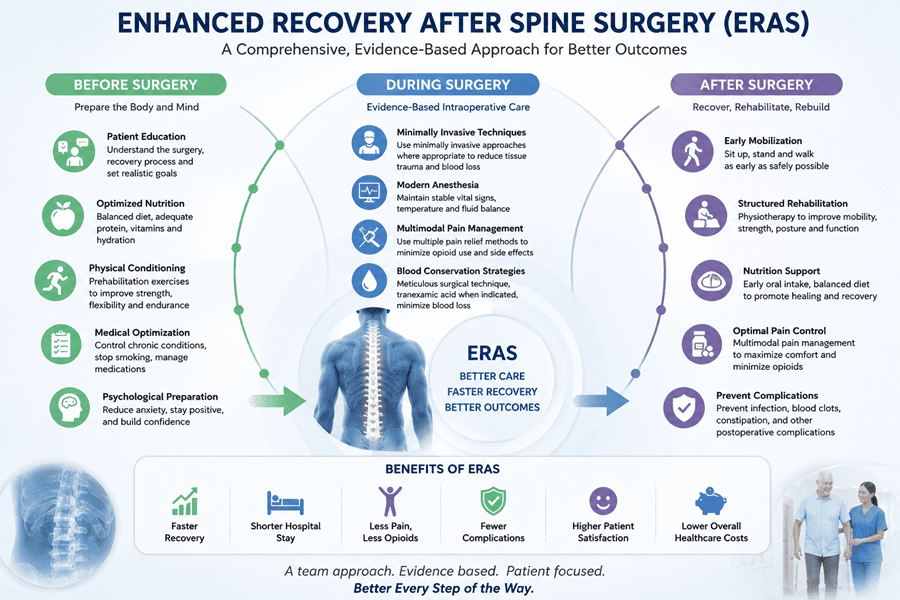
Enhanced Recovery After Spine Surgery (ERAS)
Introduction Enhanced Recovery after Spine Surgery (ERAS) is a modern, evidence-based approach designed to improve patient outcomes before, during, and after spine surgery. It combines patient education, optimized nutrition, multimodal
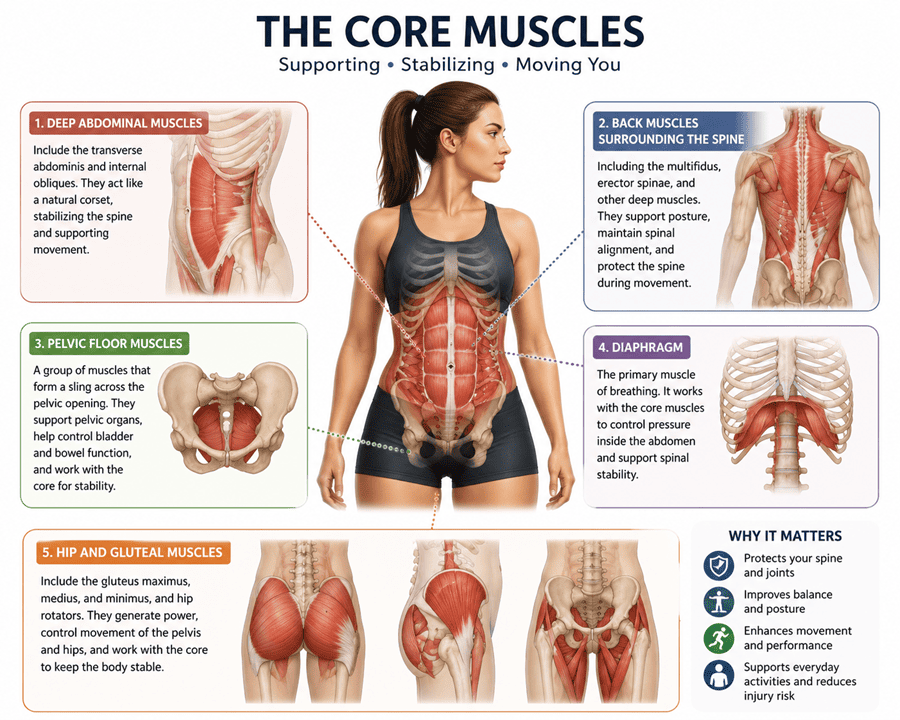
Core Strength and Spine Health: Why It Matters
When people think about maintaining a healthy spine, they often focus on sitting posture, lifting techniques, or choosing the right mattress. While these factors are important, one of the most
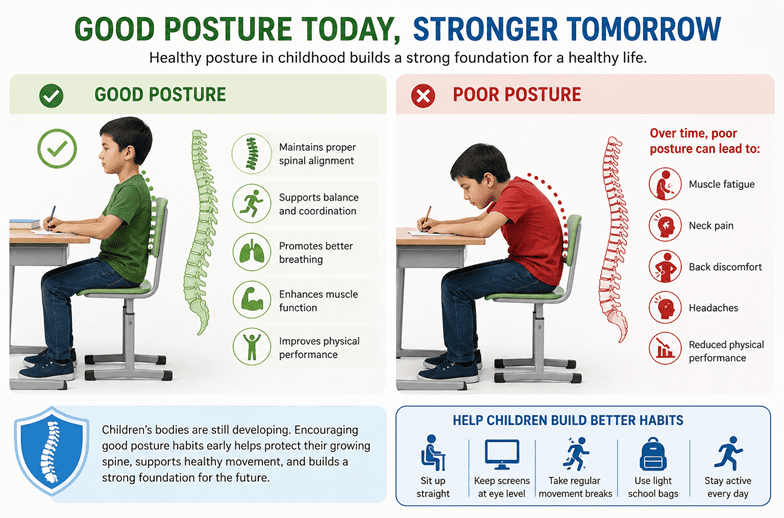
Teaching Children Healthy Posture Habits Early
Why Posture Matters During Childhood Childhood is a period of rapid growth and development. Bones, muscles, ligaments, and joints are constantly adapting as children grow taller and become more active.

Rehabilitation Protocol After Coronary Angioplasty (PCI/Stent Placement)
Rehabilitation following coronary angioplasty should be individualized according to age, cardiac function, comorbidities, complications, and physician recommendations. PHASE I: IMMEDIATE POST-PROCEDURAL REHABILITATION (DAY 0–3) Age <50 Years Day 0–1: •
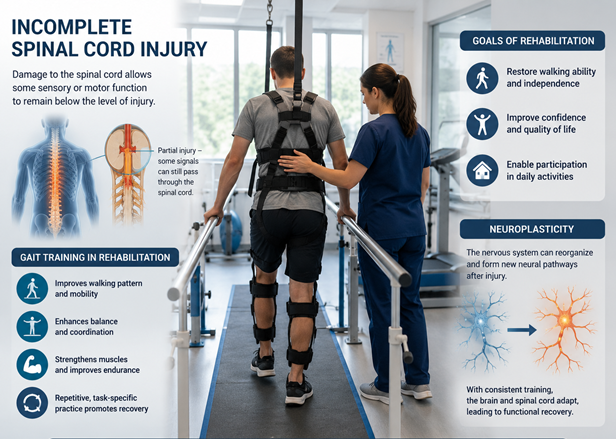
Role of Gait Training in Incomplete Spinal Cord Injury
Incomplete spinal cord injury (SCI) is a neurological condition in which the spinal cord is partially damaged, allowing some sensory or motor function to remain below the level of injury.
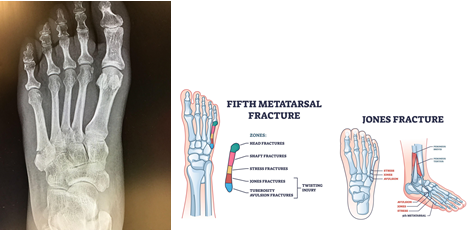
Jones Fracture
A Jones fracture is a break in the base of the fifth metatarsal bone of the foot. The fifth metatarsal is the long bone located on the outer side of
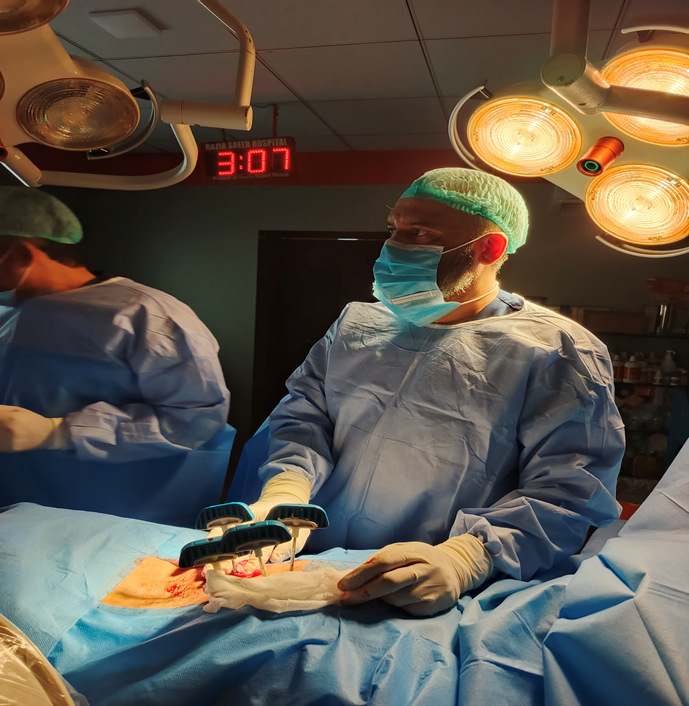
Kyphoplasty and Multilevel Kyphoplasty
Kyphoplasty and Multilevel Kyphoplasty Kyphoplasty and Multilevel Kyphoplasty: Indications, Contraindications, Myths, Facts, and Detailed Overview Introduction Vertebral compression fractures are among the most common spinal problems, especially in elderly individuals
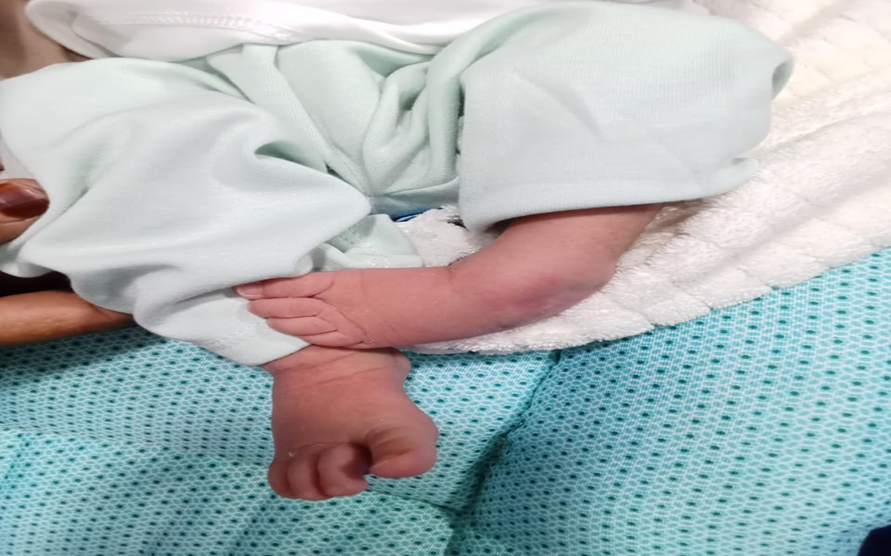
CLUBFOOT – CONGENITAL TALIPES EQUINOVARUS
Early Intervention, Causes, Casting, and Surgical Management 1. Introduction Clubfoot is a congenital deformity present at birth in which the foot is twisted inward and downward. It may affect one