Introduction
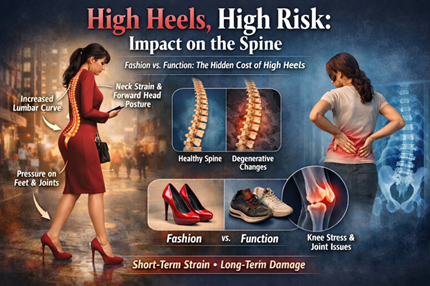
High-heeled footwear alters normal body alignment and gait mechanics. While often associated with fashion and confidence, prolonged or improper use can significantly affect the spine, pelvis, and lower-limb biomechanics, leading to both short- and long-term musculoskeletal problems.
Biomechanical Changes While Wearing High Heels
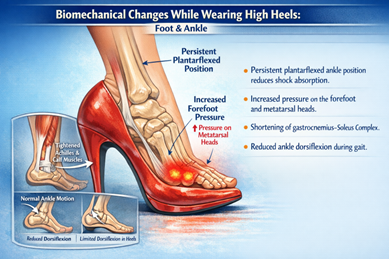
Foot & Ankle
- Persistent plantarflexed ankle position reduces shock absorption.
- Increased pressure on the forefoot and metatarsal heads.
- Shortening of gastrocnemius–soleus complex.
- Reduced ankle dorsiflexion during gait.
Knee
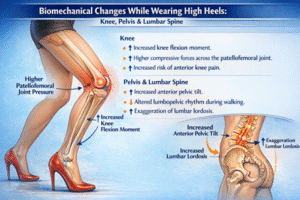
- Increased knee flexion moment.
- Higher compressive forces across the patellofemoral joint.
- Increased risk of anterior knee pain.
Pelvis & Lumbar Spine
- Increased anterior pelvic tilt.
- Exaggeration of lumbar lordosis.
- Increased compressive load on lumbar facet joints.
- Altered lumbopelvic rhythm during walking.
Whole Body Alignment
- Forward shift of center of gravity.
- Compensatory trunk extension and cervical lordosis.
- Increased paraspinal muscle activity and early fatigue.
Impact on the Spine
Cervical Spine
- Forward head posture.
- Neck muscle overactivity causing stiffness and headaches.
Thoracic Spine
- Reduced thoracic mobility.
- Altered breathing mechanics due to rigidity.
Lumbar Spine
- Increased intradiscal pressure.
- Facet joint compression.
- Accelerated degenerative changes.
Long-Term Outcomes of Prolonged High-Heel Use
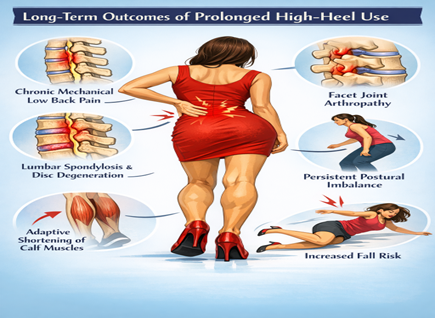
- Chronic mechanical low back pain.
- Lumbar spondylosis and early disc degeneration.
- Facet joint arthropathy.
- Persistent postural imbalance.
- Adaptive shortening of calf muscles.
- Increased fall risk.
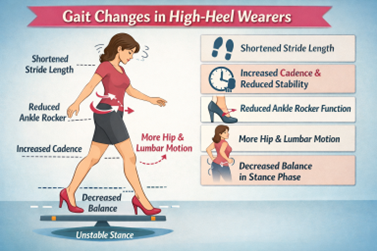
Gait Changes in High-Heel Wearers
- Shortened stride length.
- Increased cadence with reduced stability.
- Reduced ankle rocker function.
- Increased reliance on hip and lumbar motion.
- Decreased balance during stance phase.
Improving Gait While Wearing Heels
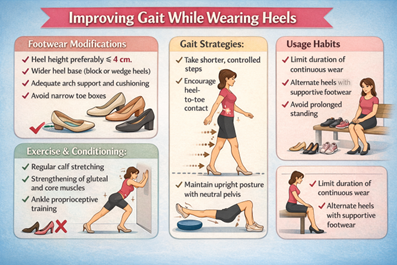
Footwear Modifications
- Heel height preferably ≤ 4 cm.
- Wider heel base such as block or wedge heels.
- Adequate arch support and cushioning.
- Avoid narrow toe boxes.
Gait Strategies
- Take shorter, controlled steps.
- Encourage heel-to-toe contact.
- Maintain upright posture with neutral pelvis.
Exercise & Conditioning
- Regular calf stretching.
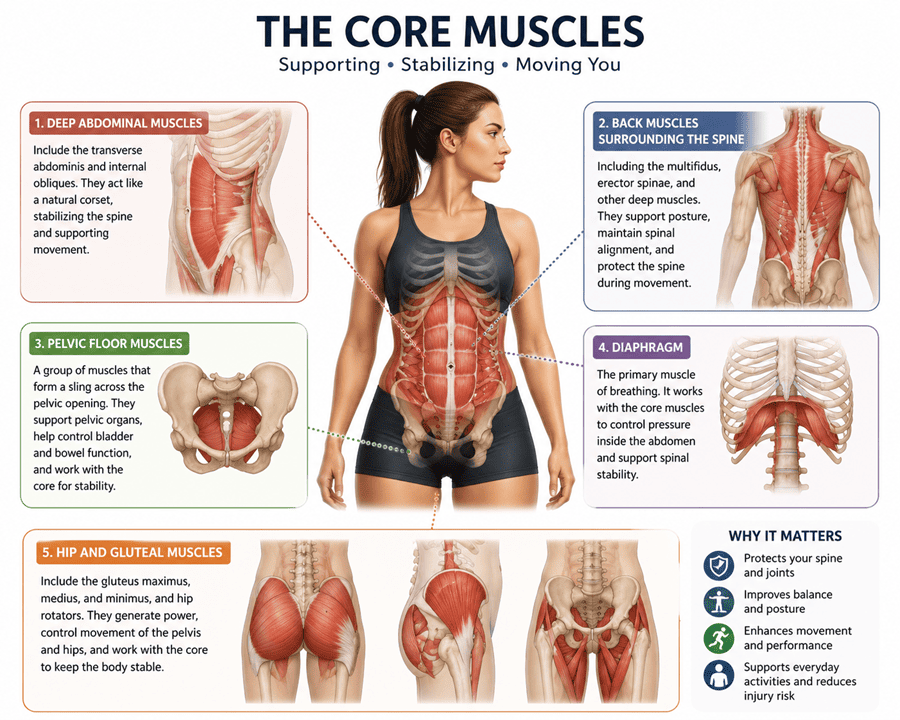
- Strengthening of gluteal and core muscles.
- Ankle proprioceptive training.
Usage Habits
- Limit duration of continuous wear.
- Alternate heels with supportive footwear.
- Avoid prolonged standing.
Conditions Associated with Long-Term High-Heel Use
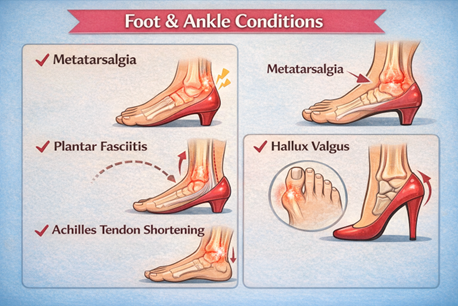
Foot & Ankle Conditions
- Metatarsalgia.
- Plantar fasciitis.
- Achilles tendon shortening.
- Hallux valgus.
Knee Conditions
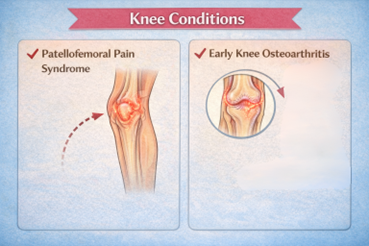
- Patellofemoral pain syndrome.
- Early knee osteoarthritis.
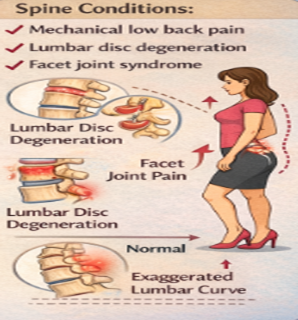
Spine Conditions
- Mechanical low back pain.
- Lumbar disc degeneration.
- Facet joint syndrome.
- Postural imbalance with exaggerated lordosis.
Conclusion
High heels shift mechanical load from the feet upward to the spine. Occasional use may be tolerated, but long-term use significantly increases spinal stress and risk of degenerative conditions. Awareness, proper footwear selection, and corrective exercises can help reduce these risks.